
Understanding the psychology behind gambling behavior in casinos
The Allure of Casinos
Casinos are designed to be captivating spaces that entice players to indulge in games of chance. From the colorful lights to the sounds of spinning wheels and jingling coins, every element is meticulously crafted to create an immersive environment. This sensory overload contributes to what psychologists refer to as the “near-miss effect,” where players feel they are close to winning, thus encouraging them to keep playing. Furthermore, many users are drawn to the enticing Grand Casino Mondial casino Bonuses, which enhance the allure of these establishments. The more a person feels that they are on the verge of a win, the more likely they are to gamble, even if the odds are against them.
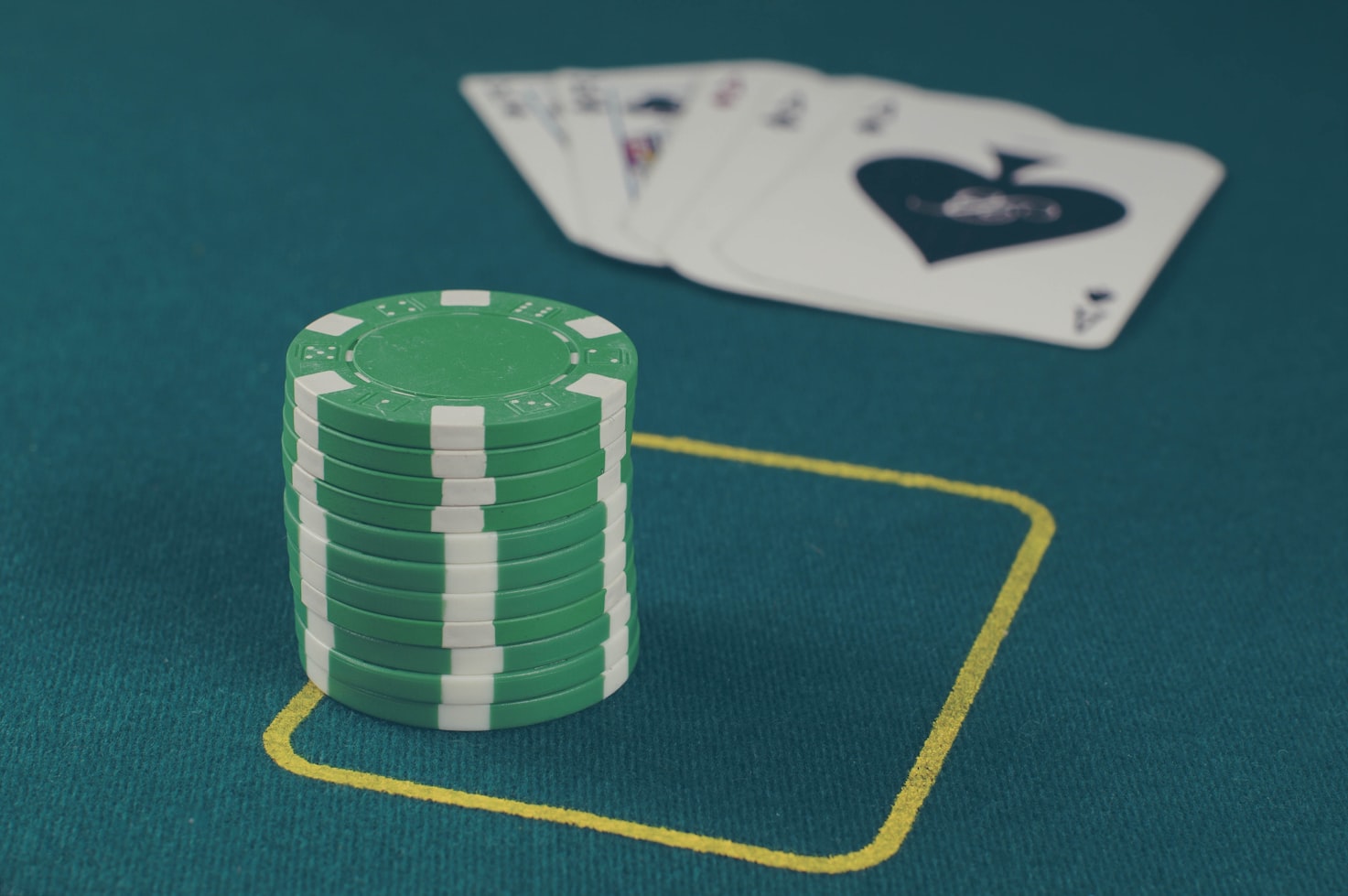
The design of casinos also plays a significant role in shaping behavior. The layout is often strategically planned to keep players in a state of excitement and anticipation. For example, the placement of games, lounges, and restaurants is designed to create a sense of engagement without clear exits. This means players can easily lose track of time and money, further enhancing their gambling experience. The psychological implications of this environment can lead to impulsive decisions, making it essential to understand the underlying factors driving such behavior.
Moreover, the social aspect of gambling cannot be overlooked. Many individuals enjoy the camaraderie that comes with playing games in a crowded casino. The interactions with fellow players and the shared excitement can heighten the emotional stakes of the game. This social reinforcement can create a positive feedback loop, where the thrill of winning, combined with the support of peers, encourages players to return repeatedly, often leading to problematic gambling behaviors.
The Role of Reinforcement
At the heart of gambling behavior is the principle of reinforcement, which is a key concept in psychology. Positive reinforcement occurs when a player wins, which can trigger a rush of dopamine—a neurotransmitter associated with pleasure and reward. This chemical reaction encourages the player to continue gambling to replicate that high, leading to repeated visits to the casino. Even minor wins can serve as reinforcement, making it challenging for individuals to recognize the overall loss of money and time.
In addition to wins, casinos employ various techniques to enhance the reinforcement effect. For example, comp points, bonuses, and loyalty programs are designed to reward frequent players. These incentives can create a sense of investment in the gambling experience, making it more difficult for individuals to walk away. The psychological notion of “sunk cost fallacy” also plays a role here, as players may feel compelled to continue betting to justify their earlier expenditures, thereby increasing the likelihood of losses.
The reinforcement cycle can become a double-edged sword. While it may enhance enjoyment in the short term, it can lead to compulsive gambling over time. This cycle can be especially problematic for individuals with pre-existing mental health issues or those predisposed to addiction. Understanding how reinforcement operates within the context of gambling is crucial for both players and those seeking to mitigate gambling-related harm.
The Impact of Cognitive Biases
Cognitive biases significantly influence gambling behavior, leading players to make irrational decisions. One of the most prevalent biases is the illusion of control, where players believe they can influence the outcome of games based purely on luck. This belief is particularly common in skill-based games like poker or blackjack, where players may attribute their successes to skill rather than chance. Such cognitive distortions can lead to overconfidence and increased betting.
Another common bias is the gambler’s fallacy, which is the mistaken belief that past events influence future outcomes. For instance, if a slot machine hasn’t paid out recently, a player might assume it is “due” for a win. This misconception can lead to extended gameplay and further financial losses. Recognizing these cognitive biases is essential for players to develop a more rational and informed approach to gambling.
Cognitive biases can also affect how players interpret their experiences. For example, they might remember big wins more vividly than losses, which can skew their perception of the overall gambling experience. This selective memory reinforces the belief that gambling is a viable way to make money, creating a dangerous cycle of continued play. Understanding these cognitive processes can help players navigate their gambling behavior more responsibly and mitigate potential negative consequences.
Gambling Addiction and Its Effects
The darker side of gambling behavior is the risk of developing an addiction. Compulsive gambling is recognized as a behavioral addiction, similar to substance abuse, and can have devastating consequences for individuals and their families. Signs of gambling addiction include chasing losses, neglecting responsibilities, and experiencing emotional distress related to gambling. The thrill of winning can quickly morph into a desperate need to gamble, leading individuals to prioritize betting over essential aspects of life.
The social stigma associated with gambling addiction can make it difficult for individuals to seek help. Many suffer in silence, fearing judgment from peers and loved ones. This isolation can exacerbate the problem, leading to further financial and emotional distress. It is vital for casinos and society at large to foster an environment that encourages responsible gambling and supports those in need of help.
Moreover, understanding the psychological factors that contribute to gambling addiction can facilitate better prevention and intervention strategies. Education on responsible gambling practices, along with resources for counseling and support, can empower individuals to take control of their gambling behaviors. By addressing the psychological underpinnings of addiction, we can create a more sustainable and healthy gambling culture.

Grand Mondial Casino’s Commitment to Responsible Gaming
Grand Mondial Casino acknowledges the importance of understanding gambling behavior and its psychological implications. With an extensive array of bonuses and promotional offers, the casino also emphasizes responsible gaming practices. Clear guidelines are provided for players to understand wagering requirements, ensuring that they make informed decisions about their gameplay. This transparency fosters a user-friendly environment that prioritizes player well-being.
In addition to offering various incentives, Grand Mondial Casino actively promotes self-awareness among its players. The site encourages individuals to track their gaming activity, making it easier to recognize patterns of behavior that may lead to excessive gambling. By providing these resources, the casino aims to empower players to engage in a responsible manner and enjoy their gaming experience without the risk of harm.
The commitment to responsible gaming at Grand Mondial Casino extends to offering support for those who may be struggling with gambling addiction. Resources, information, and tools are readily available to help players manage their gambling habits effectively. By fostering a culture of awareness and responsibility, Grand Mondial Casino seeks to create a safe and enjoyable environment for all its users while addressing the psychological factors that influence gambling behavior.